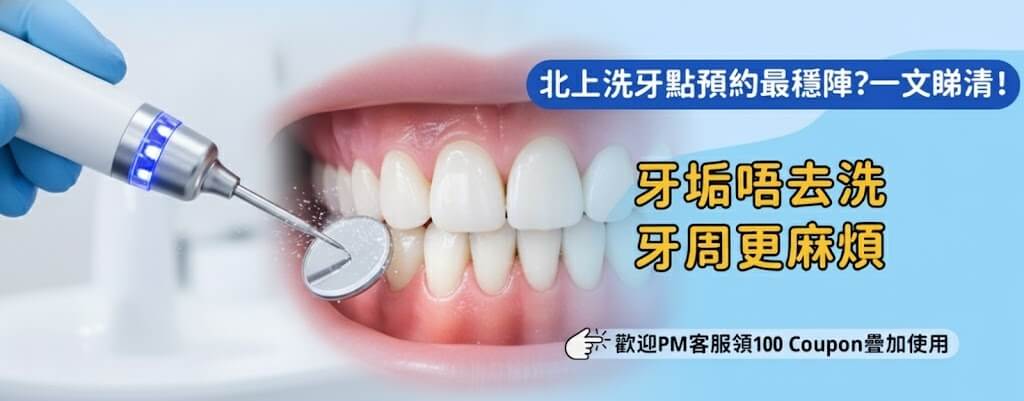
《北上洗牙點樣消毒?》
Thinking of going up north to get your teeth cleaned, maybe in Chiang Mai or Chiang Rai, and wondering how the clinic disinfects everything? No worries. Teeth cleaning (scaling and polishing) is a routine procedure in Thailand, and reputable clinics follow strict infection-control protocols. Still, it’s perfectly okay to ask how they disinfect. Here’s a clear, friendly guide—using the kind of English you hear every day in Thailand—so you know what’s happening before, during, and after your appointment.
What “teeth cleaning” actually involves
When you book a cleaning, the dentist or hygienist removes plaque and tartar with ultrasonic scalers and hand instruments, then polishes your teeth to make them smooth and shiny. It’s not painful, just a bit tickly or squeaky. Because the tools go inside your mouth and water spray can create aerosols, proper disinfection and sterilization are a must. Good clinics in Thailand take this very seriously—same same but different compared to other countries, but the standards are aligned with international guidelines.
How clinics disinfect and sterilize in Thailand
Modern dental clinics here follow a set flow for each patient:
- Instrument sterilization: Scalers, curettes, mirrors, and other reusable tools go through cleaning, ultrasonic bath, and then steam sterilization in an autoclave. They are sealed in pouches with indicator strips that change color when the cycle is successful.
- Handpiece reprocessing: The high-speed or low-speed handpieces are flushed, lubricated, and usually autoclaved if the model allows. If not, they’re disinfected using high-level solutions according to manufacturer instructions.
- Single-use items: Suction tips, saliva ejectors, gauze, and gloves are single-use only. After your visit, they go straight to the bin—no reuse, full stop.
- Surface disinfection: Chair handles, light handles, trays, and counter surfaces are wiped with hospital-grade disinfectant between patients. Many clinics use chlorine-based or quaternary ammonium products that meet Ministry of Public Health standards.
- Waterline hygiene: Dental unit waterlines are purged and flushed, and some clinics use treated water or periodic shock treatments to keep biofilm low.
- PPE and barrier protection: Staff wear gloves, masks, and sometimes face shields. You’ll often see plastic barriers on touch points; these are changed for each patient.
- Pre-procedural mouth rinse: You may be asked to rinse with chlorhexidine (0.12–0.2%) for 30–60 seconds before cleaning to reduce bacterial load. Tastes a bit bitter, but it works.
- Room air and ventilation: Many clinics run air-con with HEPA filtration or use portable purifiers. Some also schedule “big cleaning” blocks to sterilize the operatory thoroughly.
What you can look for when you arrive
It’s okay to check around. Don’t be shy; Thai staff usually have strong “service mind” and are happy to explain.
- Sealed instrument pouches on your tray, with v

isible indicator strips.
- Clean surfaces, fresh barriers, and a tidy setup—nothing looks wet or reused.
- Autoclave presence and daily logs, sometimes displayed near the sterilization area.
- Staff changing gloves after touching non-sterile items, not just “mai pen rai”.
- Single-use tips and cups being opened in front of you.
Polite questions you can ask
If you want to be extra sure, try simple, friendly questions. Address the staff as “Khun” for courtesy.
- “Khun, do you autoclave the hand instruments after each patient?”
- “Are the handpieces sterilized or high-level disinfected according to the brand?”
- “Do you use a pre-procedural mouth rinse?”
- “How often do you flush the waterlines?”
If they answer clearly and show you the pouches or logs, that’s a good sign. If the replies feel vague—“up to you” or “it’s okay” without details—consider another clinic.
How Northern clinics compare to Bangkok
Upcountry clinics in Chiang Mai, Chiang Rai, and Lampang generally follow the same standards as Bangkok. Many dentists trained in Bangkok or abroad bring the same protocols. The Thai Dental Council and the Ministry of Public Health set infection-control expectations nationwide, so reputable clinics are aligned. Prices might be more sabai sabai (comfortable) up north, but hygiene doesn’t have to be lower. Clean is clean.
After your cleaning: basic hygiene tips
- Skip the “mai pen rai” attitude if you feel unusual pain, swelling, or fever—call back right away.
- Expect mild sensitivity for a day or two; use a soft brush and lukewarm water.
- If your dentist gives chlorhexidine, follow the time and frequency. Avoid rinsing with water right after using it.
- Drink lots of water, and maybe go easy on sticky rice and very cold drinks for a day.
Red flags to watch out for
- Unsealed instruments or visibly reused disposables.
- Staff touching surfaces and then your mouth without changing gloves.
- No disinfectant smell or signs of cleaning between patients (not always required, but absence plus other issues can be a concern).
- Pushy upselling without proper explanations—focus should be on your health first.
How to pick a clinic up north
- Check reviews for cleanliness and sterilization comments, not just price.
- Look for clear photos of the operatory, sterilization area, and instrument pouches.
- Call ahead: ask about autoclaves, single-use policies, and mouth rinse.
- A clinic that answers patiently is usually confident in its protocols.
The bottom line
“北上洗牙點樣消毒?” is a fair question, and the answer is straightforward: good Thai dental clinics, whether in Chiang Mai or Bangkok, disinfect and sterilize following international best practice—autoclaves, single-use items, hospital-grade surface wipes, PPE, and pre-rinses. Trust your eyes, ask polite questions, and don’t let “mai pen rai” override common sense. Once you see the sealed pouches and clean setup, you can sit back, sabai sabai, and let the dentist make your smile fresh and bright.